Pino Di Gennaro, a versatile sculptor, achieves a level of extraordinary and cultured refinement in his handling of materials.
A sculptor with a commitment to social issues, he explores climate change and the planet’s most vulnerable living beings—flowers, plants, bees, the recycling of matter, victims of bullying, and victims of femicide—with keen attention.
His work with diverse sculptural materials such as papier-mâché, clay, bronze, lead, and wax is closely tied to these themes.
He explores subtle and complex questions of thought, often connected to pressing ethical concerns, using an imaginative approach that is both captivating and engaging. His relationship with materials is unique and can be described as “democratic,” allowing the substance to guide the creative process.
His connection with places and people is immersive, participative, and transformative—typical of visionary artists.
Bronze
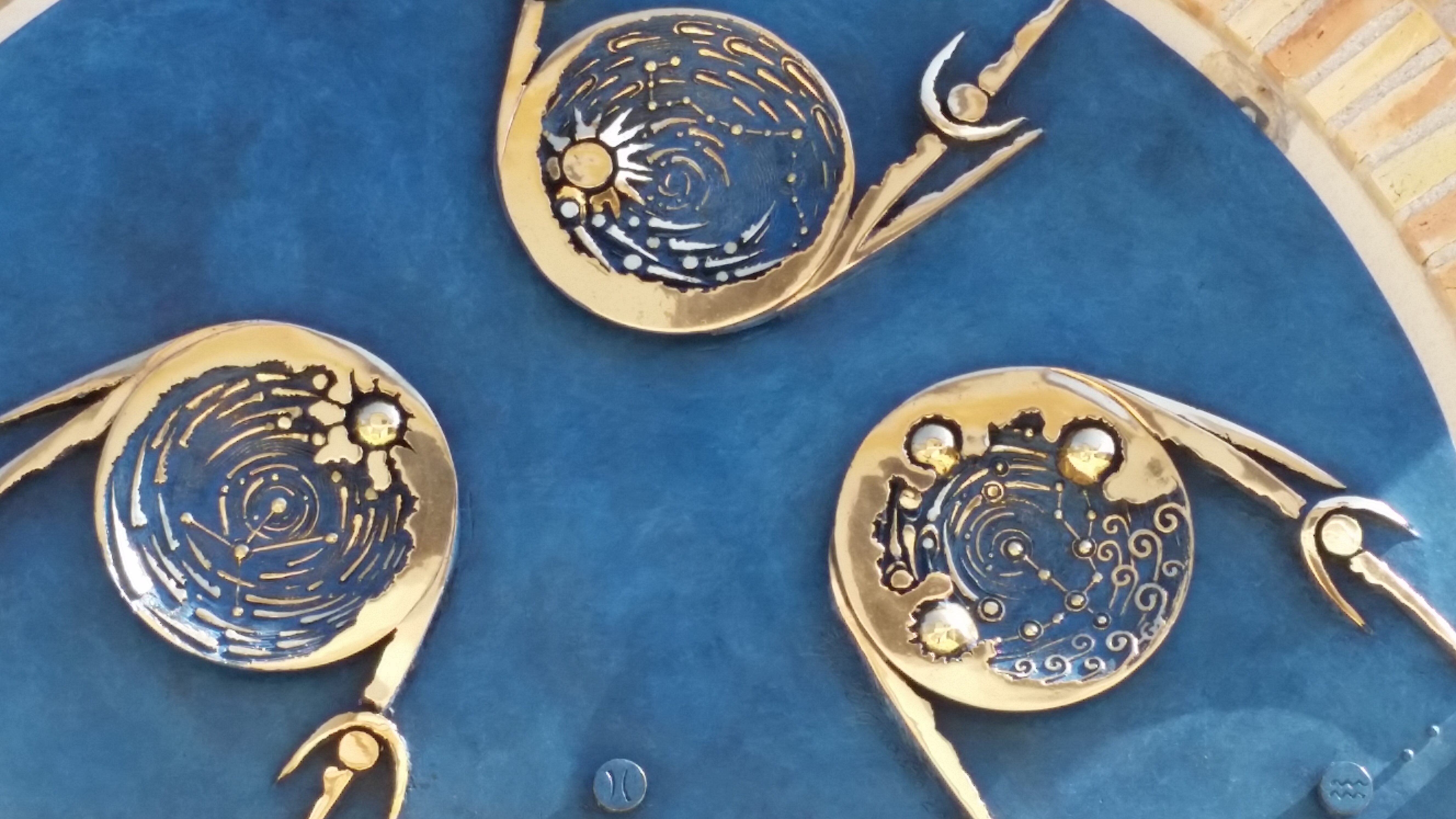
Copper, zinc, tin, antimony, and lead are the metals that make up the bronze alloy.
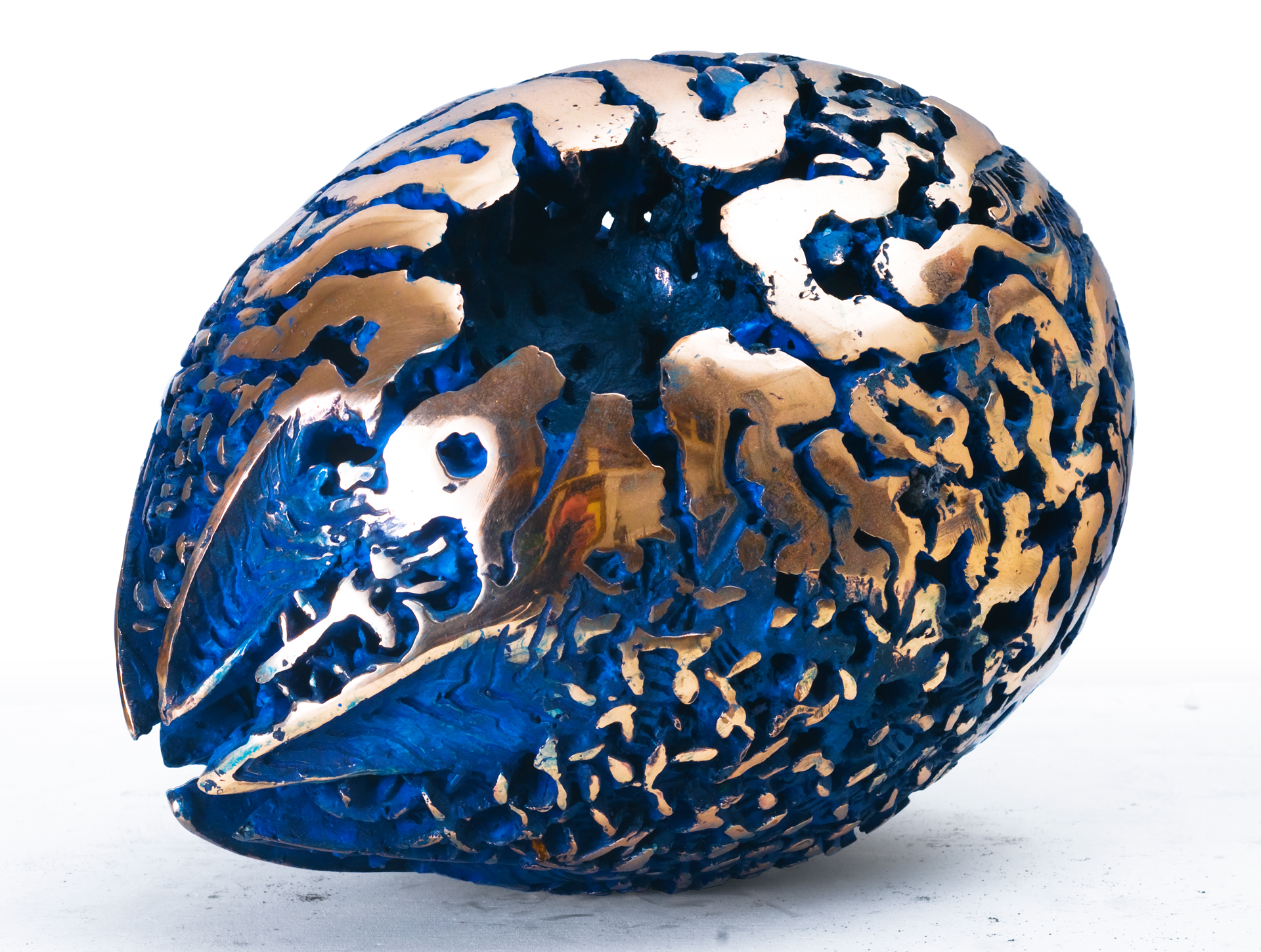
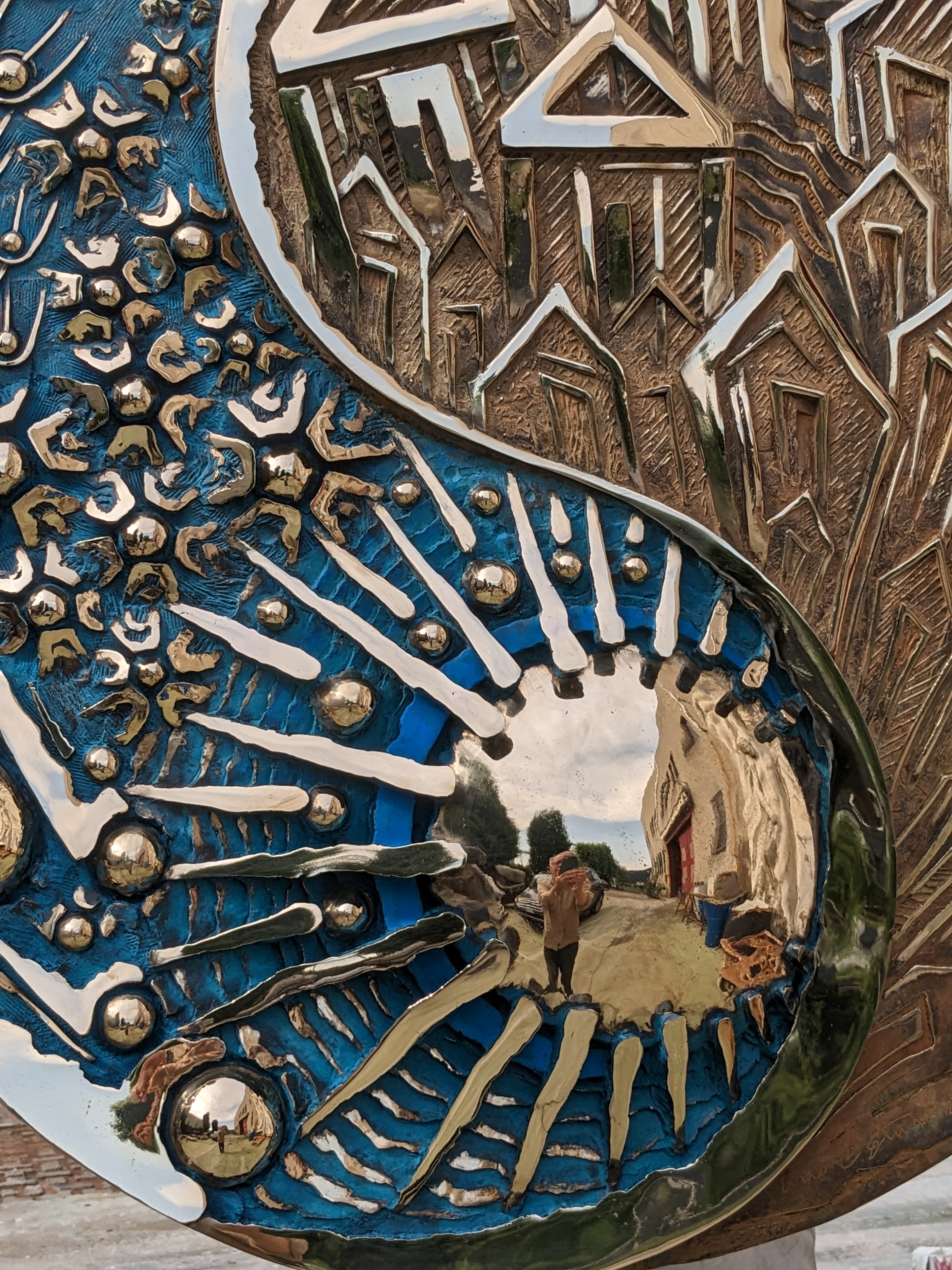
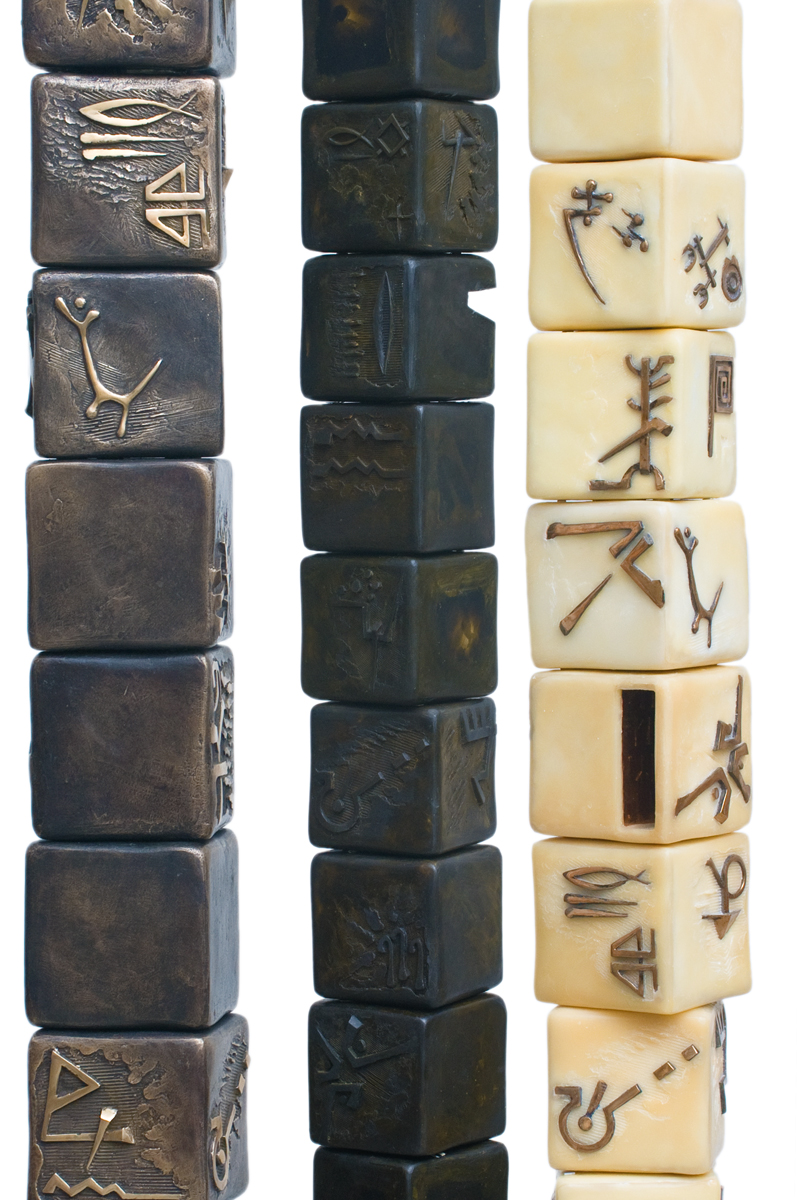
Bronze is one of the artist’s preferred materials, especially for public works: it is bright, radiant, and reflective when polished to a mirror finish; it shows lively colours when treated with acid. When polished to a mirror sheen, it reflects the surrounding landscape, absorbing it within itself; when patinated, it reveals the infinite tonal variations of its surface.
Bronze is the traditional material for sculpture and has a history that spans thousands of years.
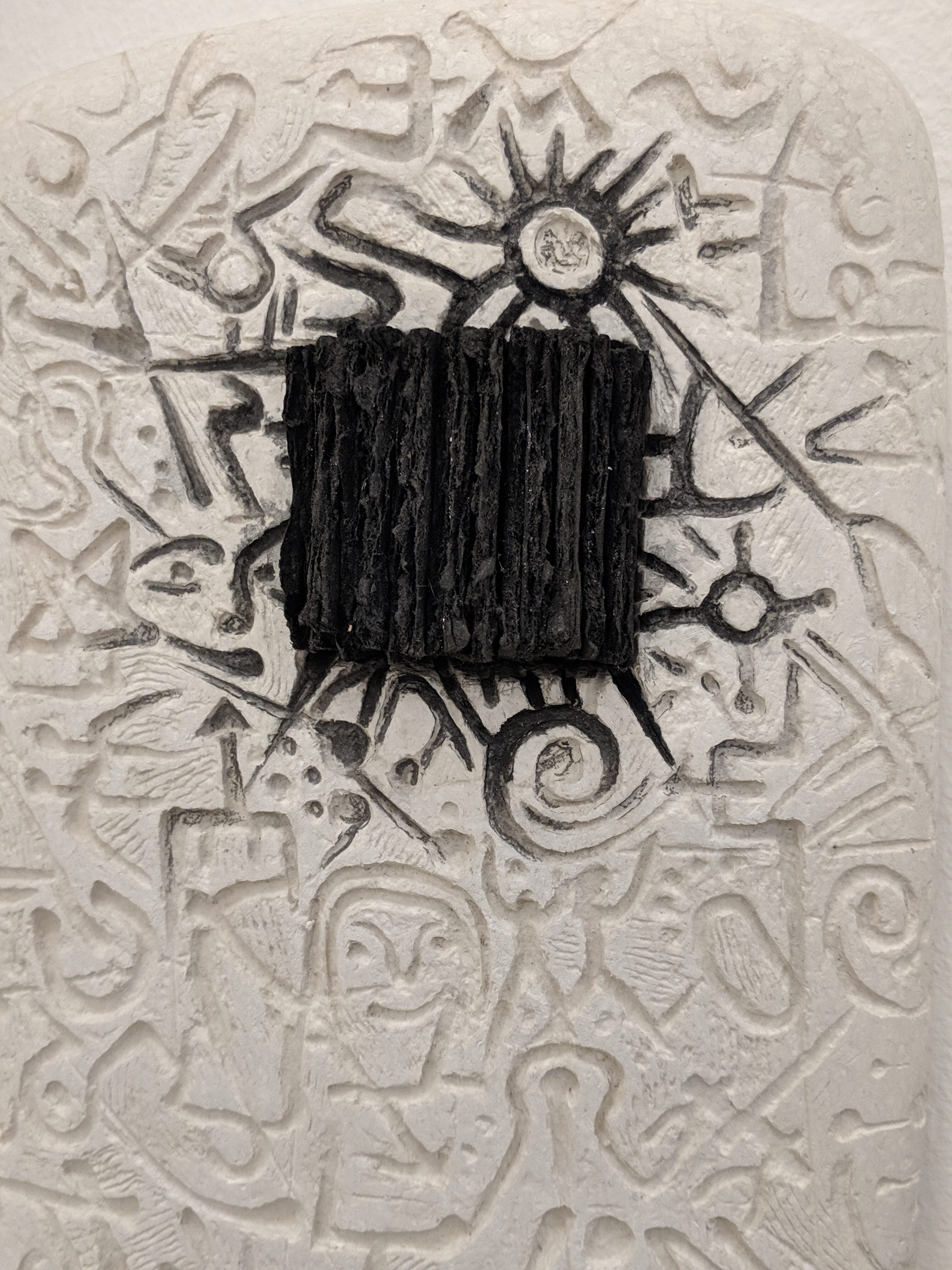
Papier Mâché
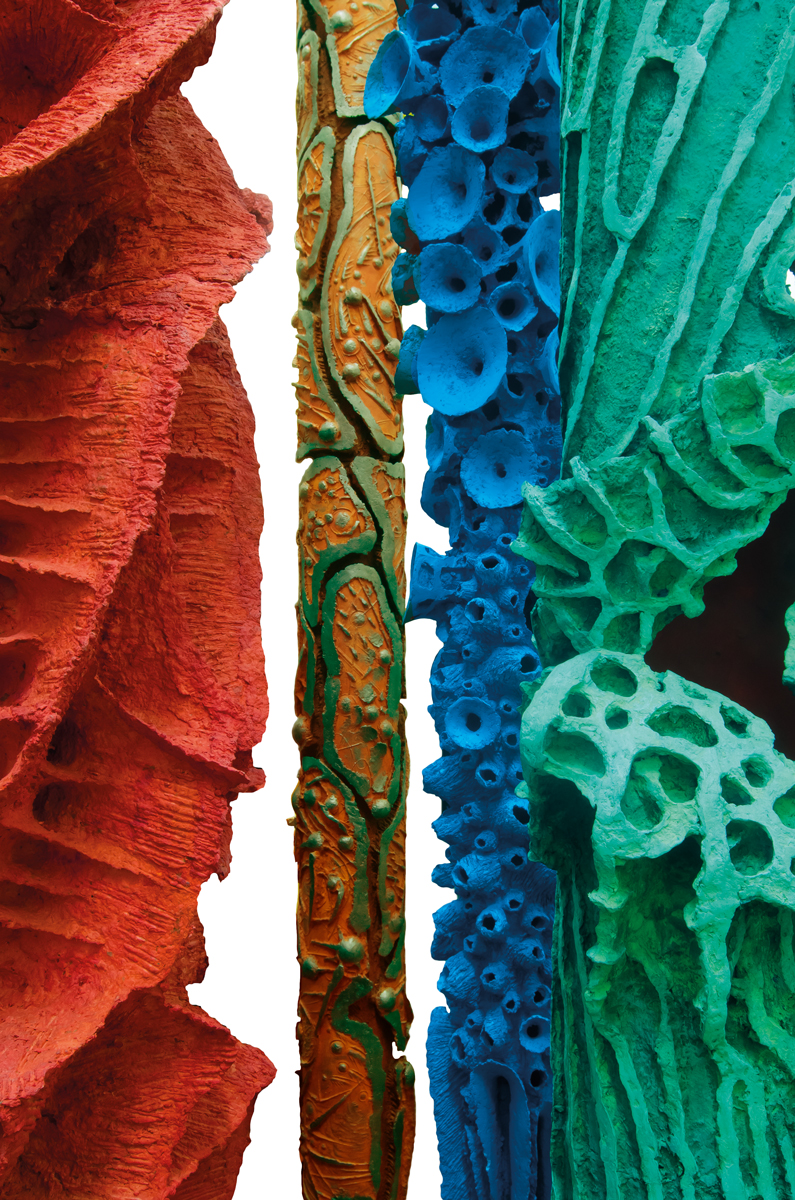
Pounding, cutting, crushing, and kneading recycled paper — this is the simplest way to make papier-mâché; cellulose and glue are its main components. Papier-mâché is inexpensive, eco-friendly, light, and easy to work with. It is an ancient yet ever-relevant technique that unleashes imagination and creativity.
Papier Mâché is strong and long-lasting when kept in a protected environment. If treated with resins or varnishes, it can also withstand the elements. It is a material widely used in theatre and in the famous carnival floats.
Wax
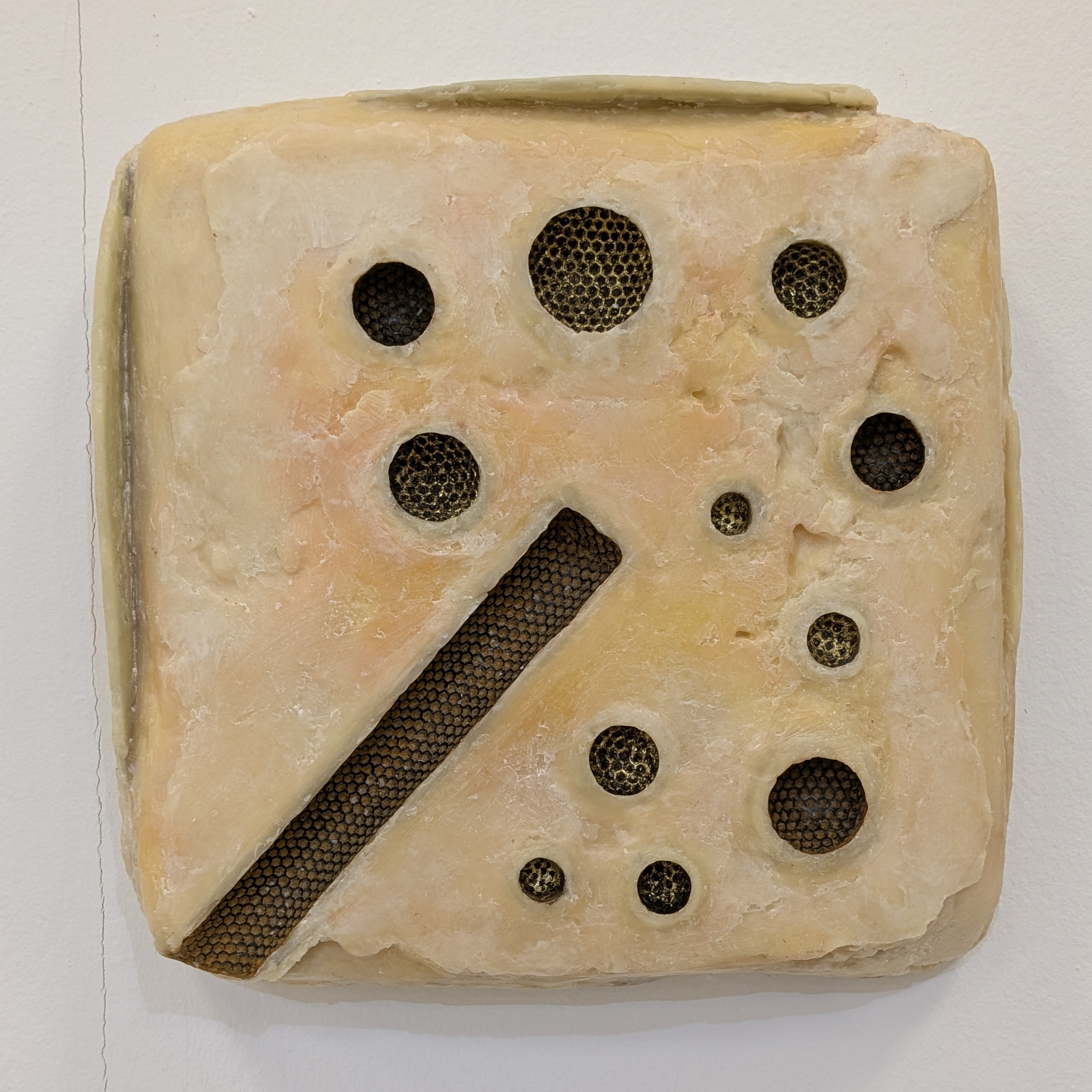
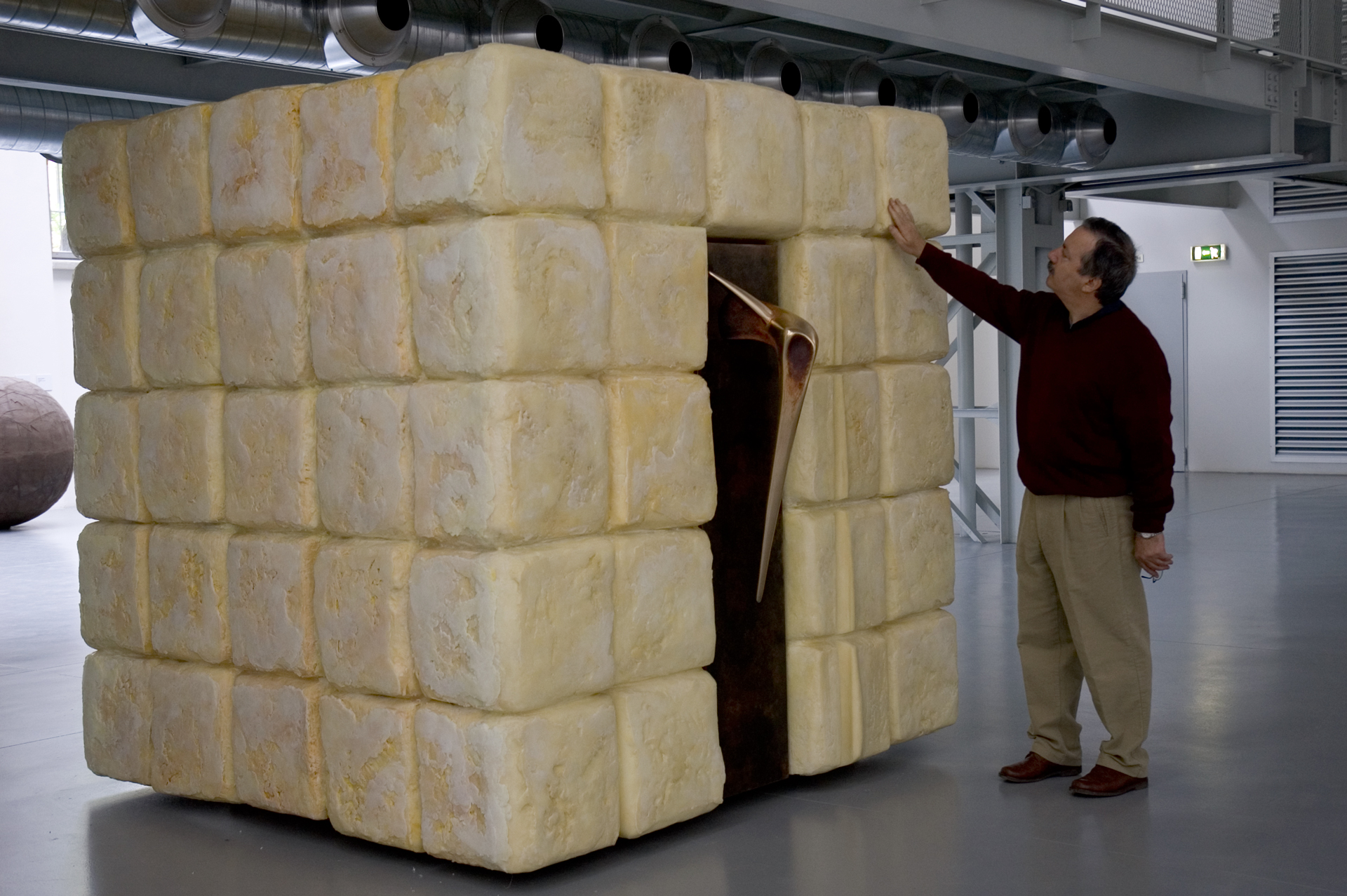
From special glands located beneath the abdomen of worker bees, virgin wax is produced — distinguished by its golden hue and honey scent.
Synthetic waxes are derived from petroleum, while other types are obtained from equatorial plants. Waxes can be coloured or bleached. To the touch, wax can feel soft, dry, or hard depending on how it has been treated, and it is pleasant to shape. It is a material that allows light to pass through easily, leading to a kind of dematerialization of form.
It is durable over time but is sensitive to high temperatures and, unlike the other materials mentioned, reminds us that nothing lasts forever.
Ceramics
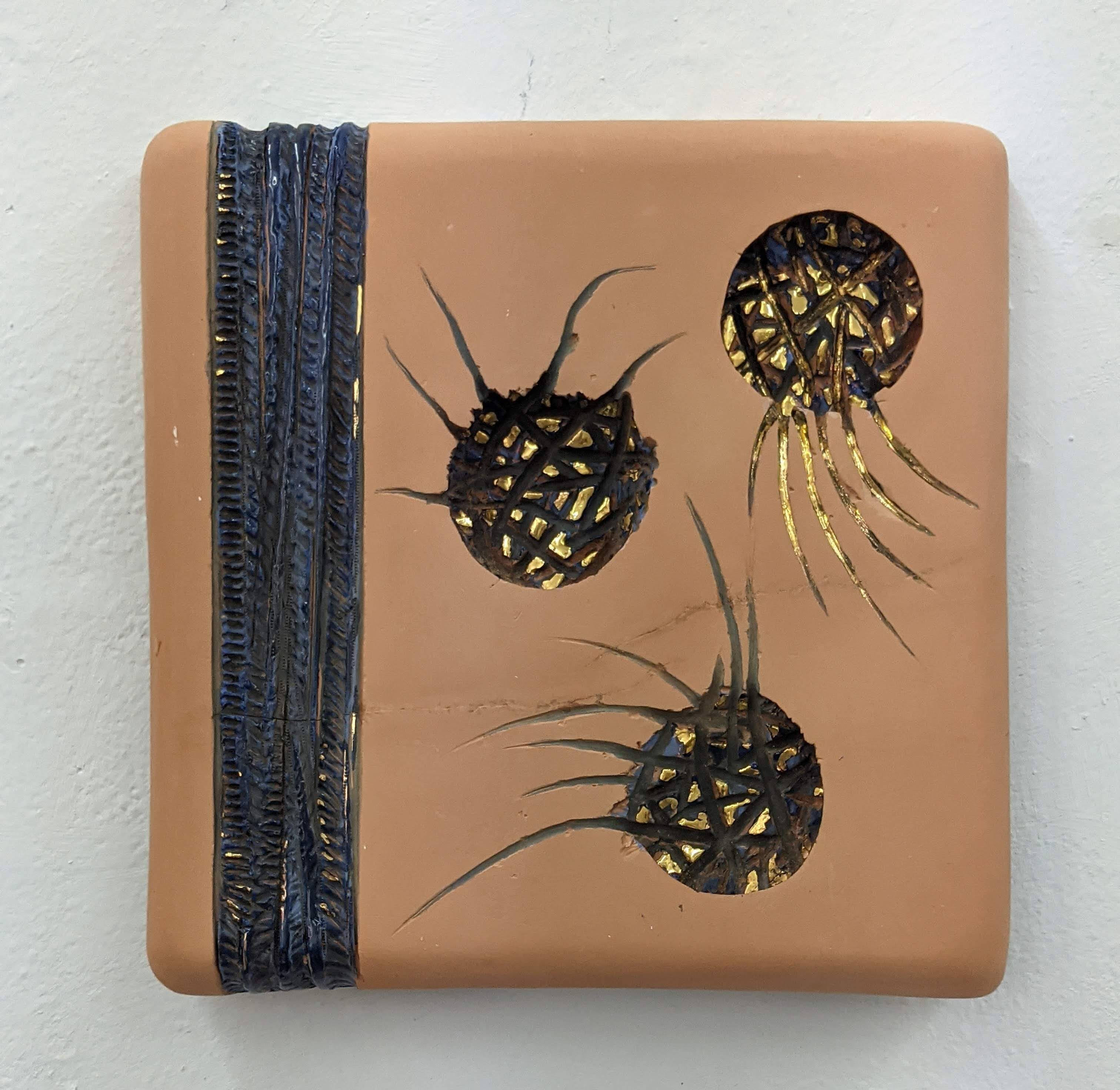
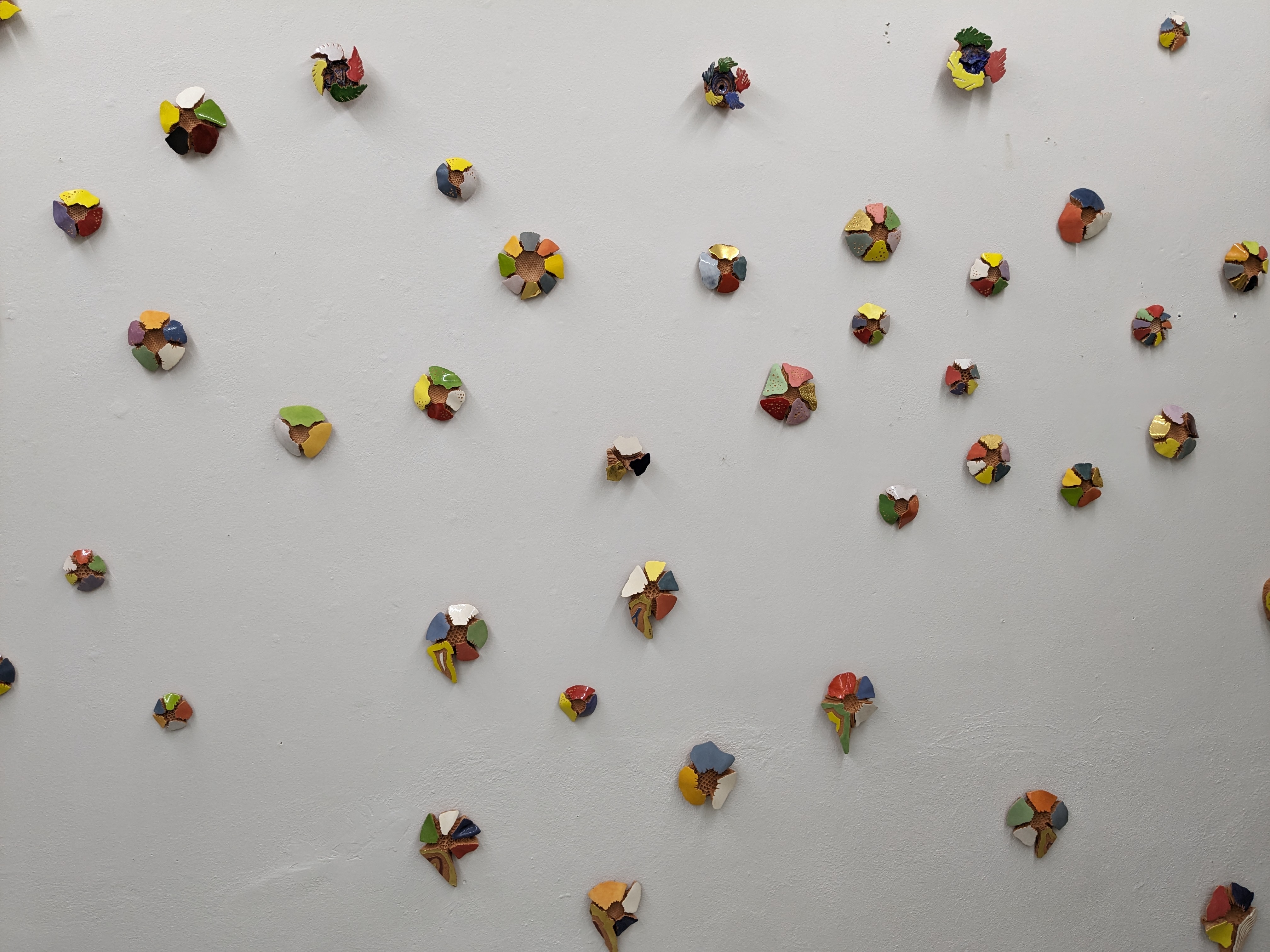
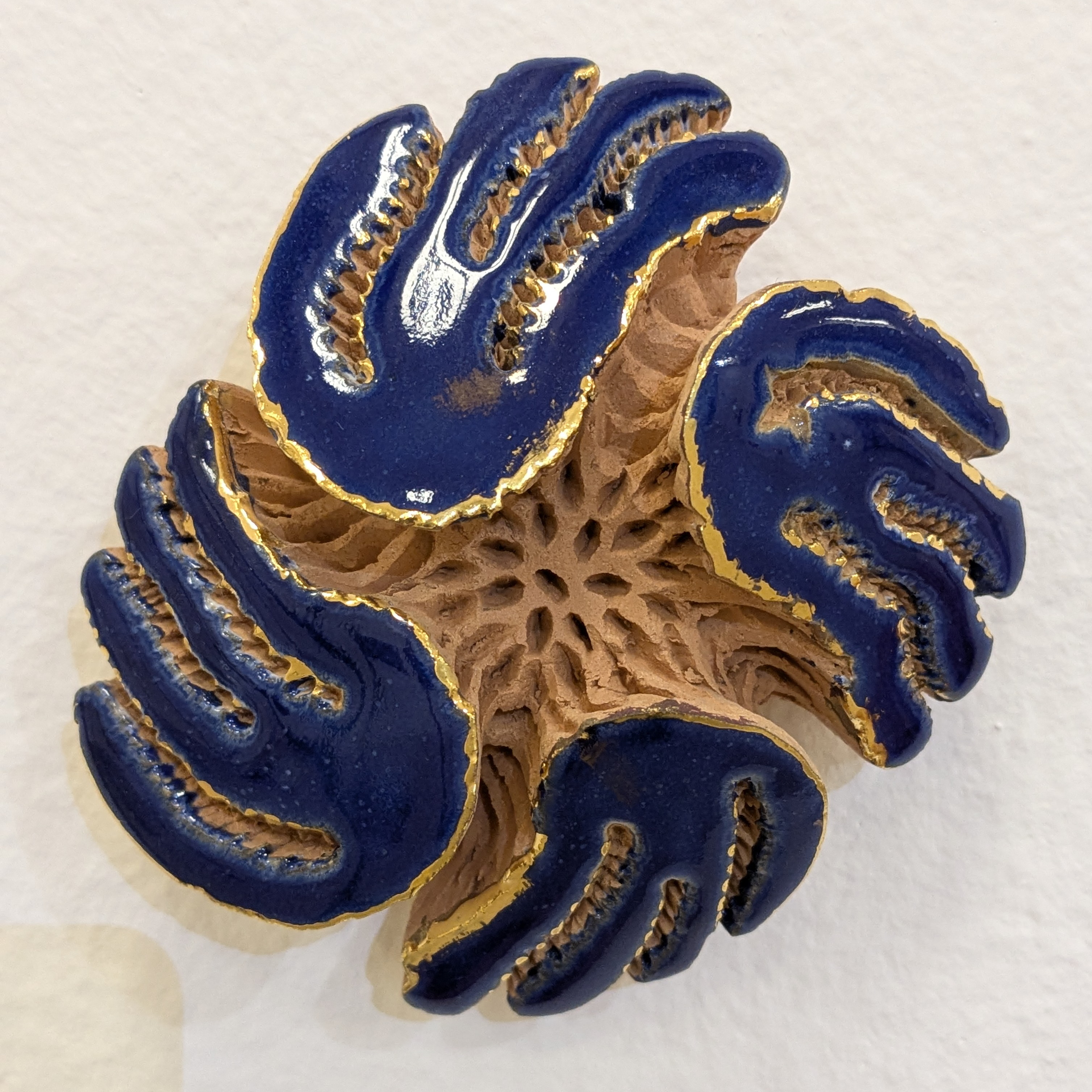
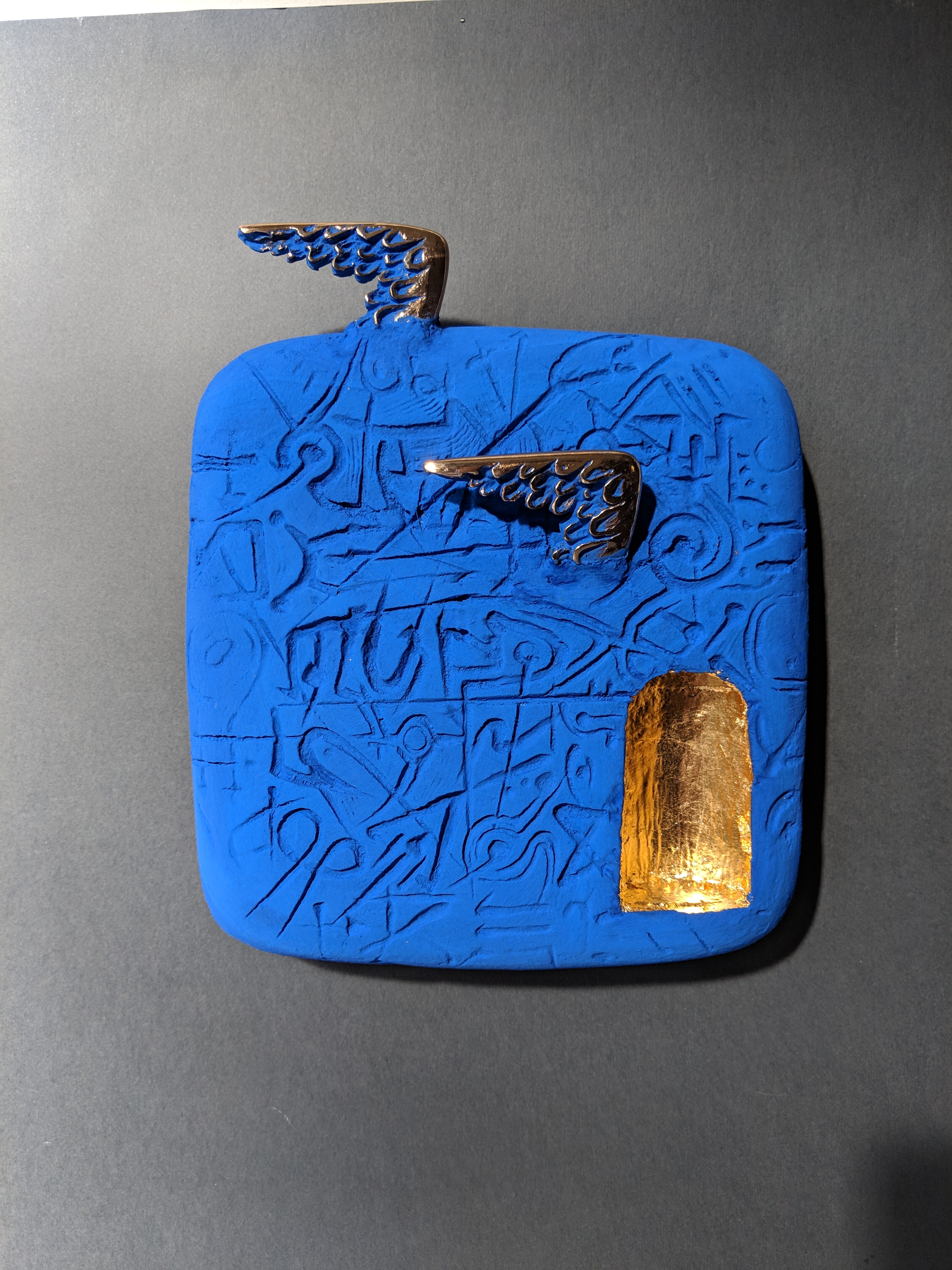
Clay, oxides, fire, glaze, and pure gold are the main components of ceramics.
Fired clay was the raw material that primitive man shaped to create vessels for nourishment. Later, the outer surfaces of bowls and amphorae were used as a canvas for decorations and stories, almost as a metaphor to nourish the mind.
Today, this technique—using the four elements: earth, air, water, and fire—has become one of the simplest, and at the same time, most sophisticated techniques upon which art relies.